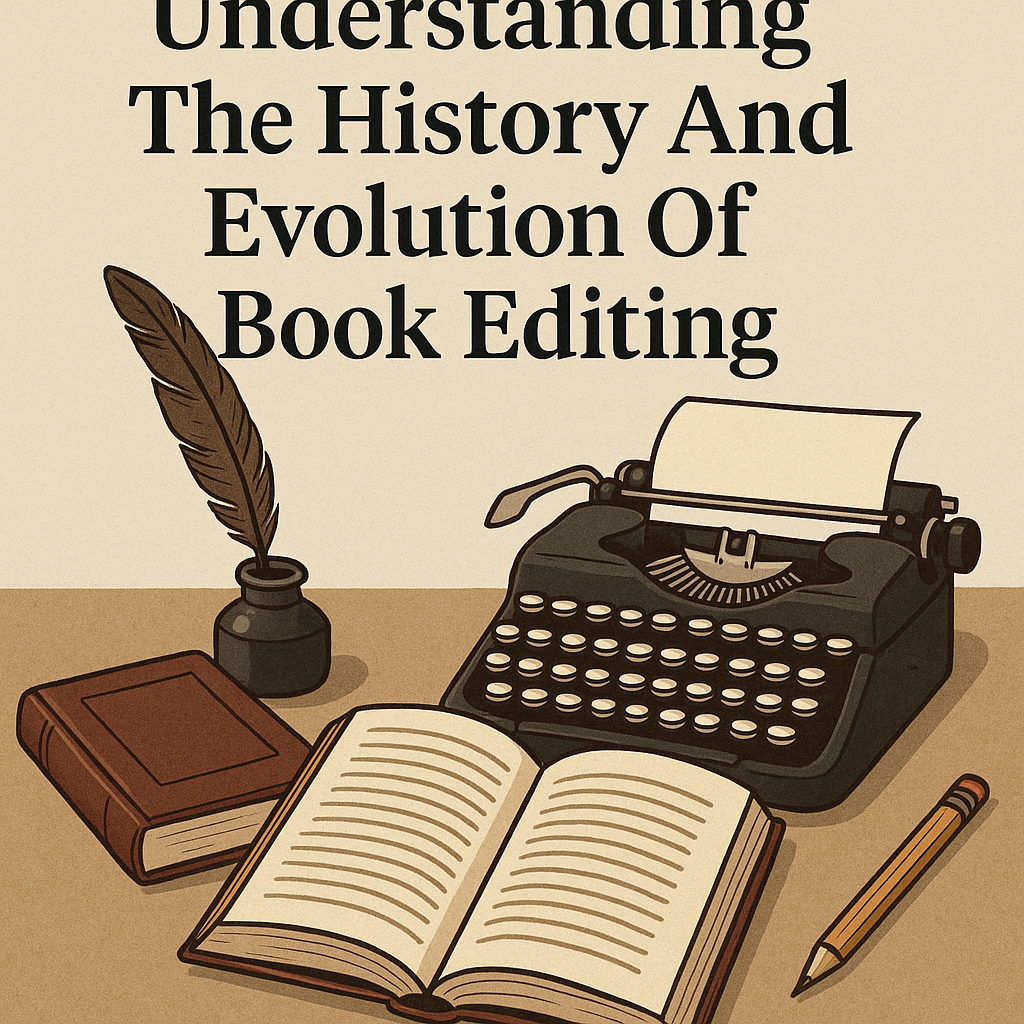
Understanding The History And Evolution Of Book Editing
Book editing has roots that trace back centuries. It has changed over time. This article explores that journey.
The Early Days of Editing
In ancient times, scribes held a crucial role. They copied texts by hand. Errors were common. Thus, they checked their work. This marked the beginning of editing.
During the Middle Ages, monasteries became centers of knowledge. Monks edited religious texts. They ensured accuracy. Scribes improved formatting too. Yet, the process remained slow and laborious.
Renaissance and Printing Press Impact
The invention of the printing press in the 15th century changed everything. Books became more accessible. As a result, the need for editing grew. Publishers sought people to refine texts.
Editors gained importance during this period. They acted as gatekeepers. They shaped the content before publication. The role evolved. It became more structured. Now, professionalism emerged in the field.
19th Century Developments
The 19th century marked a turning point. Advances in technology made printing easier. Publications increased in number. Editors now worked on diverse genres.
Furthermore, editorial standards began to emerge. The role required expertise. Editors focused on clarity and coherence. They ensured that content resonated with readers.
The Rise of Modern Editing
In the 20th century, editing continued to evolve. The concept of “developmental editing” appeared. Editors began shaping entire narratives. They worked closely with authors to refine ideas.
Moreover, copyediting became essential. This focused on grammar, punctuation, and style. Quality control became a priority. It ensured consistency across publications.
The Digital Age
The rise of the internet transformed editing yet again. Self-publishing emerged. This added complexity to the editing landscape. Authors now had more control over their work.
New tools appeared. Software applications helped with editing tasks. They allowed for faster revisions. However, challenges arose. Not all self-published works maintained high standards.
The Role of Editors Today
Today, editors play multiple roles. They are not just proofreaders. Instead, they are collaborators. They guide authors through the process. Their insight is valuable.
Additionally, many editors specialize. Some focus on fiction, while others handle non-fiction. The editing landscape has diversified.
The Future of Book Editing
Looking ahead, technology will continue to shape editing. Artificial intelligence is on the rise. It offers tools that can assist editors. However, human touch remains irreplaceable.
As the publishing world changes, so will editing. New techniques may emerge. Yet, the core of editing will stay the same: enhancing clarity.
Conclusion
The history of book editing reveals a rich tapestry. From ancient scribes to modern editors, the journey is fascinating. Each era brought changes. Each step shaped the role of editing in publishing.
To learn more about editing, check this resource: EditMojo.