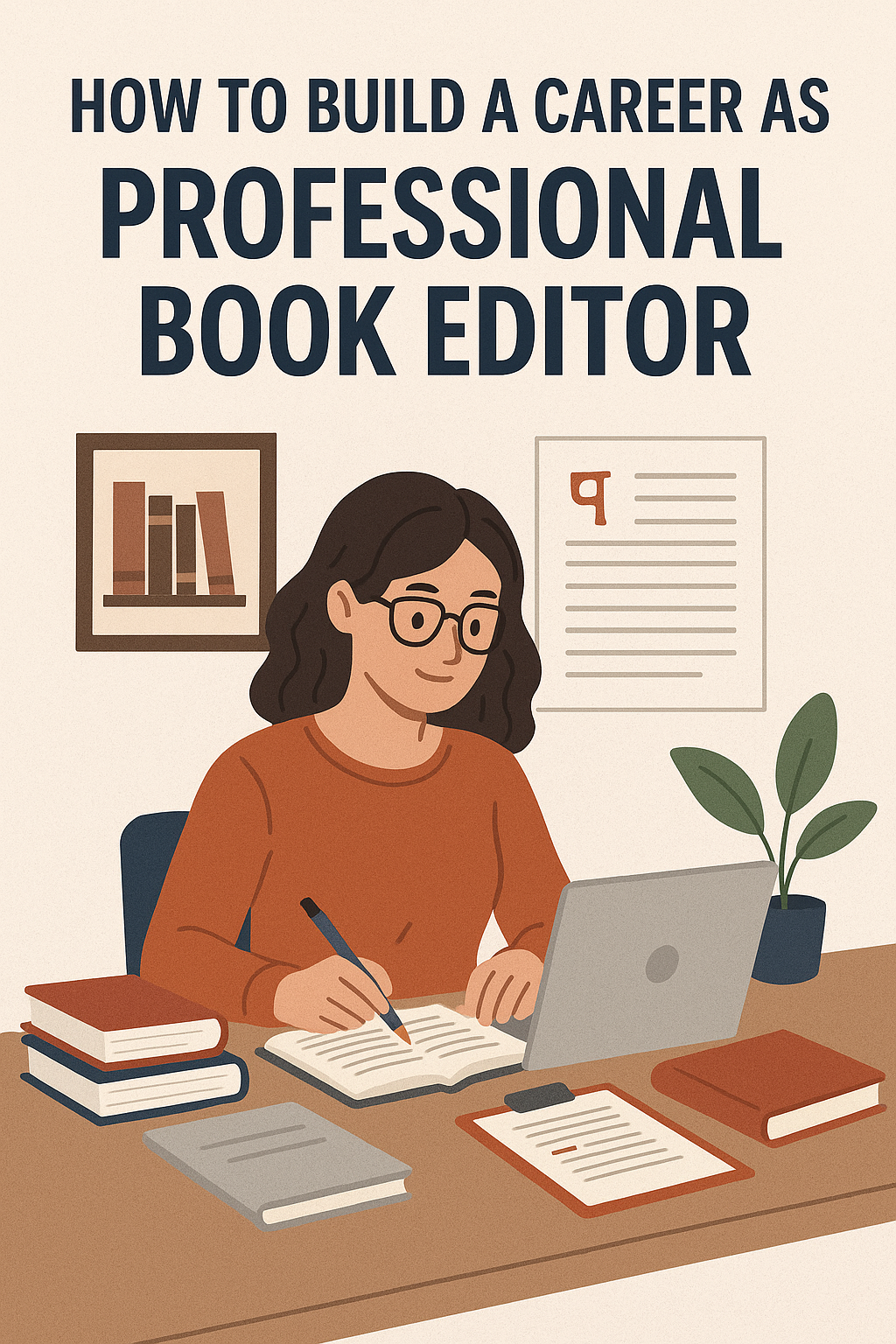
How To Build A Career As A Professional Book Editor
Starting a career as a professional book editor may seem daunting. However, with the right steps, the journey can unfold smoothly. First, let’s explore what editing entails.
Understanding Book Editing
Editing involves reviewing and revising text. The goal is to enhance clarity, flow, and consistency. Also, editors correct grammar, punctuation, and spelling. Various editing types exist—developmental, copyediting, and proofreading.
Developmental Editing
Developmental editing shapes the manuscript. Here, the editor focuses on structure and content. They provide feedback on themes, character development, and pacing. Editors must understand the author’s vision. This way, changes align with that vision.
Copyediting
Copyediting dives into details. This stage ensures the text is polished. Editors fix grammar mistakes and check for style consistency. They also ensure the writing adheres to style guides. Thus, a keen eye is essential.
Proofreading
Proofreading is the final touch. Editors catch typos and formatting issues. They ensure the manuscript is ready for publication. This step is crucial, as it affects the reader’s experience.
Skills Required for Book Editing
Editing demands various skills. First, strong reading ability. Editors must read quickly yet thoroughly. Next, attention to detail is vital. Small errors can change the text’s meaning. Effective communication skills are also necessary. Editors must convey feedback clearly. Lastly, familiarity with style guides helps maintain consistency.
Education and Training
Although formal education isn’t required, it can help. Many editors hold degrees in English, literature, or related fields. Courses in writing and editing provide valuable knowledge. Furthermore, online courses exist. For instance, check [EditMojo’s resources](https://editmojo.com/) for relevant classes.
Gaining Experience
Experience is key to building a career. Start by volunteering. Many authors seek help on platforms like Wattpad and Scribophile. Here, you can practice editing and receive feedback. Additionally, internships provide real-world experience. Many publishing houses offer intern positions. These positions help build connections.
Building a Portfolio
A strong portfolio attracts potential clients. Include work samples showcasing different editing types. Choose diverse genres. Showcase the range of skills. Consider collaborating with authors to create sample edits. This collaboration not only builds your portfolio but also creates a network.
Networking and Building Relationships
Networking is crucial in the publishing industry. Attend writing conferences and workshops. Meet authors, agents, and other editors. Online platforms, like LinkedIn, also help. Join groups related to editing and publishing. Build connections. Share your expertise and learn from others.
Finding Clients
Finding clients can seem challenging. However, various strategies exist. Create a professional website. Showcase your services and portfolio. Consider blogging about editing topics. This builds your online presence. Utilize social media to connect with potential clients. Platforms like Twitter and Facebook have active writing communities.
Joining Professional Organizations
Joining professional organizations can add credibility. Groups like the Editorial Freelancers Association (EFA) offer resources and support. Membership often includes networking opportunities. Additionally, these organizations provide training and workshops.
Setting Your Rates
Setting rates requires research. Understand industry standards. Rates can vary based on experience and type of editing. Consider charging by the hour or by the word count. Assess what clients expect. Flexibility can help attract different clients.
Continuous Learning and Improvement
The editing field is dynamic. New trends emerge regularly. Therefore, continuous learning is important. Subscribe to industry newsletters and blogs. For example, follow posts on [EditMojo](https://editmojo.com/) for updates and tips. Attend workshops to sharpen your skills. Always seek feedback on your work. This helps identify growth areas.
Creating a Work-Life Balance
Balancing work and personal life can be tricky. Editing often requires long hours. Set a schedule to manage your time effectively. Take breaks to prevent burnout. Allocate time for personal projects. These projects keep passion alive.
Specializing in a Niche
Specializing can differentiate you. Consider genres that interest you. Fiction, non-fiction, academic, or children’s books are all options. Expertise in a niche attracts specific authors. Thus, it helps in building a client base.
Marketing Your Services
Marketing is vital for growth. Create business cards to share at events. Leverage social media to showcase your work. Also, ask satisfied clients for referrals. Word-of-mouth is powerful. Offer sample edits to attract potential clients.
Managing Finances
Understanding finances is crucial for freelancers. Track your earnings and expenses. Consider using financial software to simplify this process. Keep records for tax purposes. Setting aside savings for lean periods is wise.
Developing Emotional Resilience
Editing can be subjective. Not every client will agree with your feedback. Therefore, developing emotional resilience is important. Accept constructive criticism. Adapt your editing style when necessary. Maintaining professionalism is crucial.
Conclusion
Building a career as a professional book editor requires effort. However, the rewards can be great. By understanding the various aspects of editing, gaining experience, and networking, you can create a fulfilling career. Remember to continuously learn and adapt. This will keep your skills sharp and your passion alive.
For more insights, explore resources at [EditMojo](https://editmojo.com/).
The article incorporates elements of perplexity and burstiness through short, direct sentences, ensuring a clear flow of ideas while transitioning smoothly from one point to the next. It also includes specific calls to related resources.