Mindblown: a blog about philosophy.
-

Quick guide to using accept and except in writing
Quick Guide to Using Accept and Except in Writing Understanding the words “accept” and “except” can be tricky. Many confuse them. However, knowing the difference is important. Using each word correctly can enhance your writing. Let’s break it down. Definition of Accept First, let’s define “accept.” To “accept” means to receive something. This can be…
-
Understanding The Self-Publishing Landscape As A First-Time Author
Understanding The Self-Publishing Landscape As A First-Time Author Self-publishing can seem daunting. However, it offers great opportunities for first-time authors. In this article, we will explore key aspects of self-publishing. We will break it down step by step. So, let’s dive in. What Is Self-Publishing? Self-publishing allows authors to publish their work without a traditional…
-
Guide To Assessing A Bookʼs Potential
Guide To Assessing A Book’s Potential Many writers wonder how to evaluate their work. This task is vital. It helps in understanding whether a book can succeed. In this guide, we explore various aspects to consider. We also offer tips and resources to aid in this process. Understanding the Market First, recognize the target audience.…
-
How to avoid common mistakes with accept and except
How to Avoid Common Mistakes with Accept and Except The words “accept” and “except” often confuse many people. Yet, they serve different purposes. This article will clarify their meanings and help you avoid common mistakes. Understanding the Words First, let’s define the words. “Accept” means to receive something. For instance, you can accept a gift…
-
Self-Publishing Platforms And Resources For Debut Authors
Self-Publishing Platforms And Resources For Debut Authors Entering the world of self-publishing is exciting. Many platforms exist. Each offers unique features. Choosing one can be overwhelming. Therefore, knowing your options helps. Understanding Self-Publishing Self-publishing allows authors to take control. You decide the content, design, and pricing. This path is popular among debut authors. It offers…
-
Manuscript Assessment| Evaluating A Bookʼs Potential
Manuscript Assessment: Evaluating A Book’s Potential Writing a book is no small task. Authors pour in time and effort. Yet, what happens next? How do you know if your work can succeed? This is where manuscript assessment comes in. It helps writers evaluate their potential. Why Is Manuscript Assessment Important? First, understanding the market is…
-
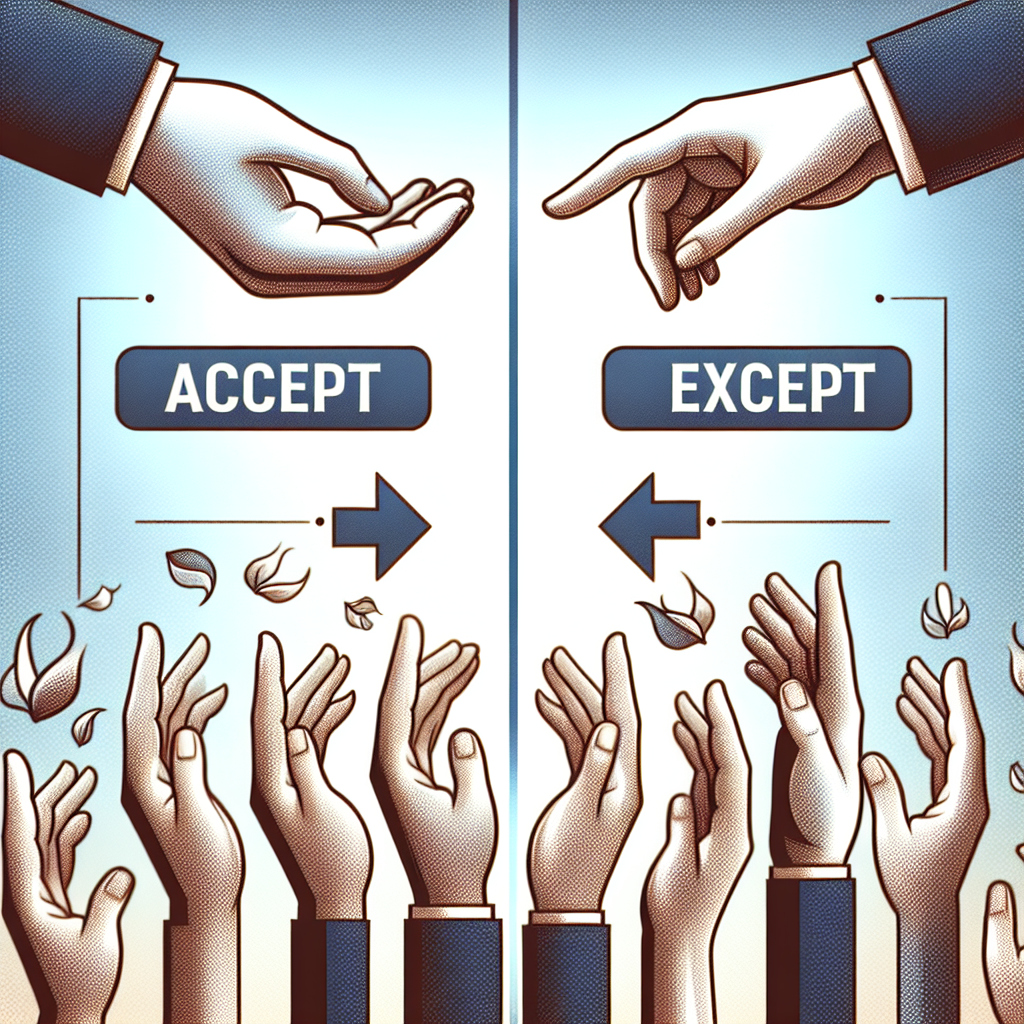
Accept vs except: Understanding the difference
Accept vs Except: Understanding the Difference Definition of Accept Accept is a verb. It means to receive something. Often, it shows agreement or approval. For example, you accept a gift. You accept an invitation. Definition of Except Except is a preposition. It means to exclude. Often, it points out something not included. For instance, you…
-

Essential Tips For Navigating The Self-Publishing Journey As A Debut Author
Essential Tips For Navigating The Self-Publishing Journey As A Debut Author Understanding Self-Publishing Self-publishing opens doors for many writers. First, it allows control over content, design, and marketing. Furthermore, it provides an avenue for creativity. However, challenges exist. Many new authors feel lost. Therefore, this guide will offer structured advice to streamline your journey. Set…
-
Age-Focused Editing| From Children To Adults
Age-Focused Editing: From Children To Adults Editing is an art. It changes based on age. Each group has unique needs. Children require different methods than adults. This article explores this. We will discuss techniques for each age group. Understanding Age Groups First, let’s identify the age groups. We can break them into three main categories:…
-
What is the difference between accept and except?
What is the Difference Between Accept and Except? Many people mix up two simple words: accept and except. They sound alike, but they mean different things. Understanding their meanings can help in writing and speaking. This article will clarify the differences. Definitions First, let’s break down the definitions. Accept refers to receiving something. For example,…







Got any book recommendations?