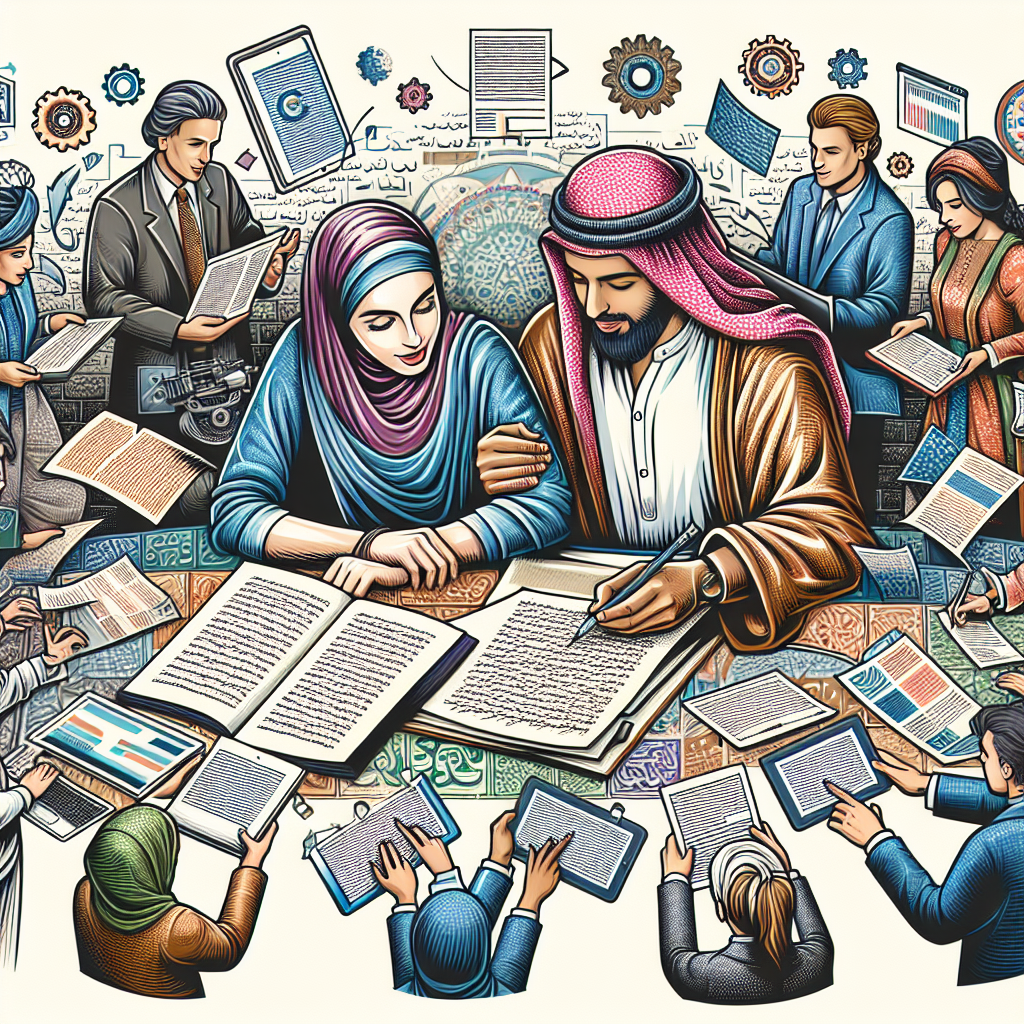
Best Practices For Collaborative Editing With Co-Authors
Collaborative editing can be complex. However, with the right strategies, it can yield excellent results. This article outlines practices that enhance teamwork during the editing process.
Establish Clear Goals
Start by defining your goals. What do you want to achieve? For instance, is it a research paper or a blog post? Clarity helps everyone stay aligned. In addition, specific aims make tracking progress easier. You can check this guide for more details.
Choose the Right Tools
Next, select tools that cater to your needs. Some tools facilitate real-time editing. For example, Google Docs offers simplicity and accessibility. On the other hand, tools like Microsoft Word have advanced features. Consider what fits your group best. Use tools that everyone can access easily.
Set Deadlines
Deadlines are crucial. They create urgency. When everyone knows the timeline, staying on track becomes simpler. Each member must understand their responsibilities within that time frame. Therefore, setting milestones is beneficial. This keeps everyone accountable.
Divide Tasks Efficiently
Break down tasks. Assign specific sections to each member. This prevents overlap. However, ensure everyone understands the entire project. Moreover, regular check-ins allow for adjustments. If needed, revisit assignments based on progress.
Communicate Openly
Effective communication is key. Encourage discussions on ideas and concerns. Use messaging apps for instant feedback. Schedule regular meetings for deeper discussions. This helps clarify doubts. Open channels foster trust among team members.
Provide Constructive Feedback
Feedback should be constructive. Focus on the work, not the individual. Use clear examples to explain points. Ensure suggestions are actionable. This way, everyone feels valued and motivated to improve.
Be Open to Changes
Flexibility is essential during collaboration. Ideas may evolve. Be willing to adjust plans. Sometimes, initial concepts may not work out as expected. Adaptability helps keep the project flowing smoothly.
Keep Track of Changes
Version control is important. Use tools that allow tracking changes. This way, no valuable input gets lost. Furthermore, it makes reverting to previous edits easier. Therefore, ensure everyone knows how to use these features.
Hold Regular Check-ins
Frequent check-ins help maintain momentum. These ensure everyone is on the same page. Discuss what’s working and what isn’t. Additionally, celebrate achievements, even small ones. This boosts morale.
Respect Each Other’s Time
Time is valuable. Respect deadlines and meeting schedules. Avoid unnecessary delays by being prepared for discussions. Acknowledge everyone’s commitments outside the project as well. This builds respect and trust.
Use Clear Document Organization
Maintain organization in the document. Use headings and bullet points for clarity. A well-structured document simplifies reading. It also makes it easier to locate sections during editing.
Document Decisions
Keep a record of decisions. Document why changes are made. This provides context for future edits. It also helps if someone revisits the project later. Clear documentation prevents confusion.
Encourage a Positive Atmosphere
A positive atmosphere enhances productivity. Support one another. Appreciation goes a long way. Recognize each person’s strengths and contributions. This creates a collaborative spirit.
Utilize Collaborative Notes
Consider maintaining a shared document for notes. Gather thoughts and ideas in one place. This is helpful for brainstorming sessions. Collaborative notes make it easy to refer back to earlier discussions.
Learn from Each Other
Every collaborator brings unique skills. Encourage sharing knowledge. This not only enhances the project but also builds each person’s skill set. Workshops or quick tutorials can be beneficial.
Prepare for Disagreements
Disagreements may arise. Address them calmly and constructively. Focus on resolving issues rather than dwelling on conflict. Seek compromises when possible. This ensures the project continues moving forward.
Review and Revise Together
Set aside time for group reviews. This allows for collaborative input on the final edits. Multiple perspectives lead to richer outcomes. Each member can provide unique insights. Moreover, collective revisions often enhance the document’s quality.
Wrap Up with a Thorough Review
Before final submission, conduct a thorough review. Ensure consistency across the document. Check that all feedback has been integrated. A joint review minimizes errors. It also strengthens the bond among co-authors.
Celebrate Completion
Once finished, celebrate your success. Acknowledge everyone’s efforts. This fosters a sense of accomplishment. It also lays the foundation for future collaborations. Building relationships enhances teamwork over time.
Further Resources
For more information on effective editing practices, check out these articles: Collaborative Editing Tips and Communication in Editing.
By implementing these best practices, collaborative editing can become an enjoyable and productive experience. With clear goals, effective tools, and open communication, co-authors can create impactful and polished work together.