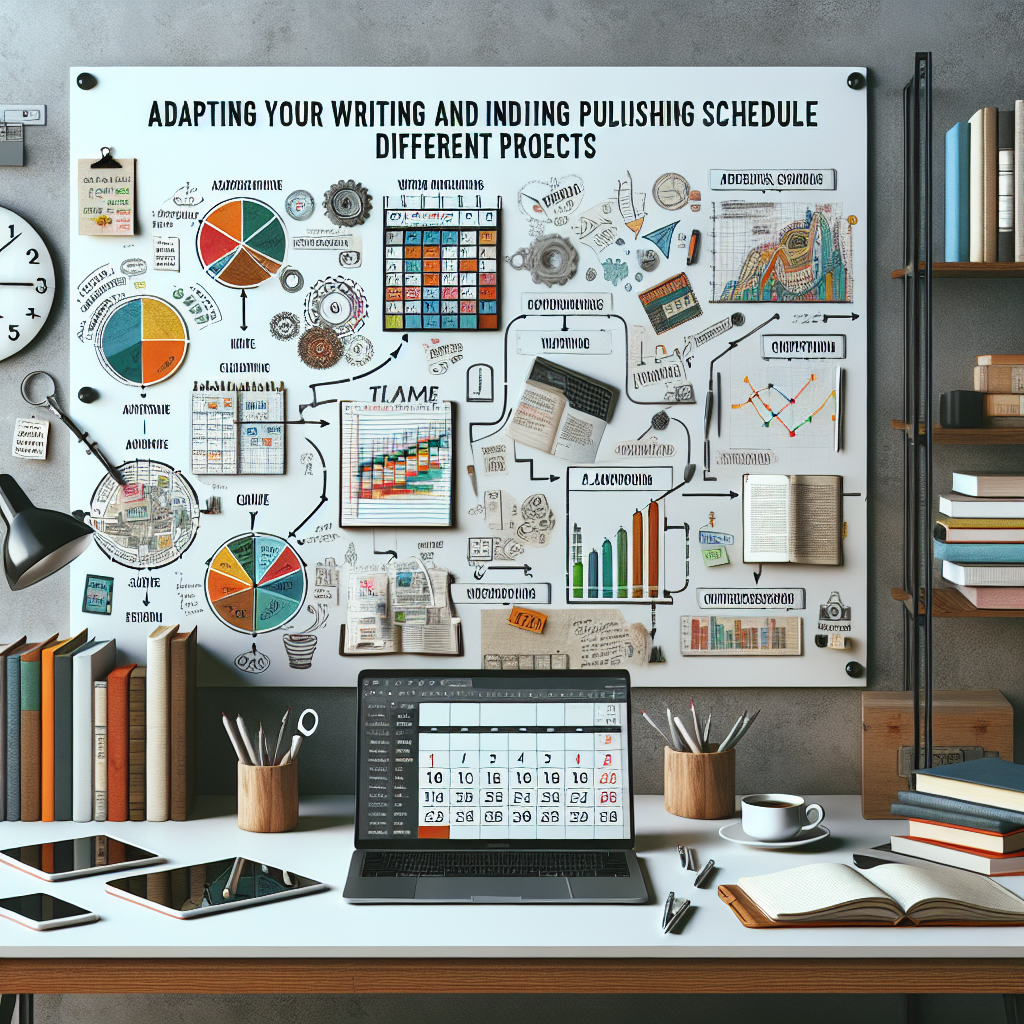
Adapting Your Writing and Publishing Schedule to Different Projects
Writing is not just about words. It involves planning. You need a schedule. However, each project is unique. Thus, your schedule should adapt. In this article, we explore how to adjust your writing and publishing routine.
Understanding Your Projects
First, identify the type of project. Different genres require different approaches. For example, a novel needs depth. Conversely, a blog post needs brevity. Understanding this difference helps guide your workflow.
Next, consider the audience. Each type of writing has a different reader. Non-fiction readers want facts. They prefer clarity. Fiction readers look for emotions. They enjoy the journey. Knowing your audience can help in scheduling.
Setting Clear Goals
After understanding your projects, set clear goals. Goals can vary. Some may be word count. Others may focus on completion dates. For instance, if you want to write a novel, aim for 1,000 words a day.
Moreover, break down your goals. Small tasks are less daunting. Start with 250 words. Afterward, build up. This method keeps you motivated.
Creating a Flexible Schedule
Your schedule should be flexible. Life can interrupt your plans. So, account for unexpected events. Adjustments will help keep you on track.
Use a calendar. Block time for writing. Yet, allow some open slots. This way, you can catch up. Also, reset when necessary.
Time Management Techniques
Time management is crucial. Various techniques can help you focus. The Pomodoro Technique is one option. Work for 25 minutes, then take a 5-minute break. This strategy boosts productivity.
Another method is time blocking. Assign specific tasks to time slots. For example, Monday for research and Tuesday for drafting. This clarity aids in managing multiple projects.
Balancing Multiple Projects
If you have several projects, balance is key. Prioritize tasks based on deadlines. Tackle urgent projects first. This way, stress decreases.
Use a planner or an app. Track progress on each project. Review your tasks weekly. Adjust your focus as needed.
Utilizing Feedback Cycles
Feedback improves your writing. Therefore, use it wisely. Share drafts with peers. Their insights can guide revisions. Create a cycle for receiving feedback and making changes.
Incorporate feedback into your schedule. Allocate time for revisions. This practice leads to better outcomes.
Finding the Right Time to Publish
Timing affects your project’s success. Research publishing trends. Best times to publish vary by genre and platform. For instance, blog posts do well on Mondays. Books, however, might launch before the holiday season.
Check analytics for previous projects. This data can inform your publishing schedule moving forward. Use this knowledge to create a strategy.
Using Tools and Resources
Numerous tools can simplify your writing process. Consider using writing software. Programs like Scrivener help organize your work. They streamline your workflow.
Additionally, online resources are useful. Websites like EditMojo offer guides on effective writing practices. Explore them for helpful tips.
Collaborating with Others
Collaboration can enrich your projects. Partnering with other writers facilitates the exchange of ideas. This can lead to inspiration for new content. Schedule regular meetings to discuss progress.
Furthermore, consider guest posts. Allowing others to publish on your platform broadens visibility. It also lightens your writing load.
Revisiting Your Schedule Regularly
Your writing schedule should evolve. Regularly assess its effectiveness. What worked last month may not work now. Adapt your routine based on progress and changes.
Schedule time for self-reflection. Identify challenges and successes. Adjust based on your insights.
Maintaining Motivation
Motivation can fluctuate. When enthusiasm drops, find ways to re-energize. Set mini-rewards for completed tasks. This approach increases morale.
Join writing groups. Engage with others who share similar goals. Their support can renew your drive.
Conclusion
To sum up, adapting your writing and publishing schedule is essential. Understand the nature of each project. Set clear goals. Use time management techniques. Balance your workload wisely. Utilize feedback effectively. Finally, maintain the flexibility to evolve.
Remember, your writing journey is a marathon. It requires patience, persistence, and adaptability. For more writing insights, visit EditMojo. Explore the wealth of information available to aid your writing endeavors.