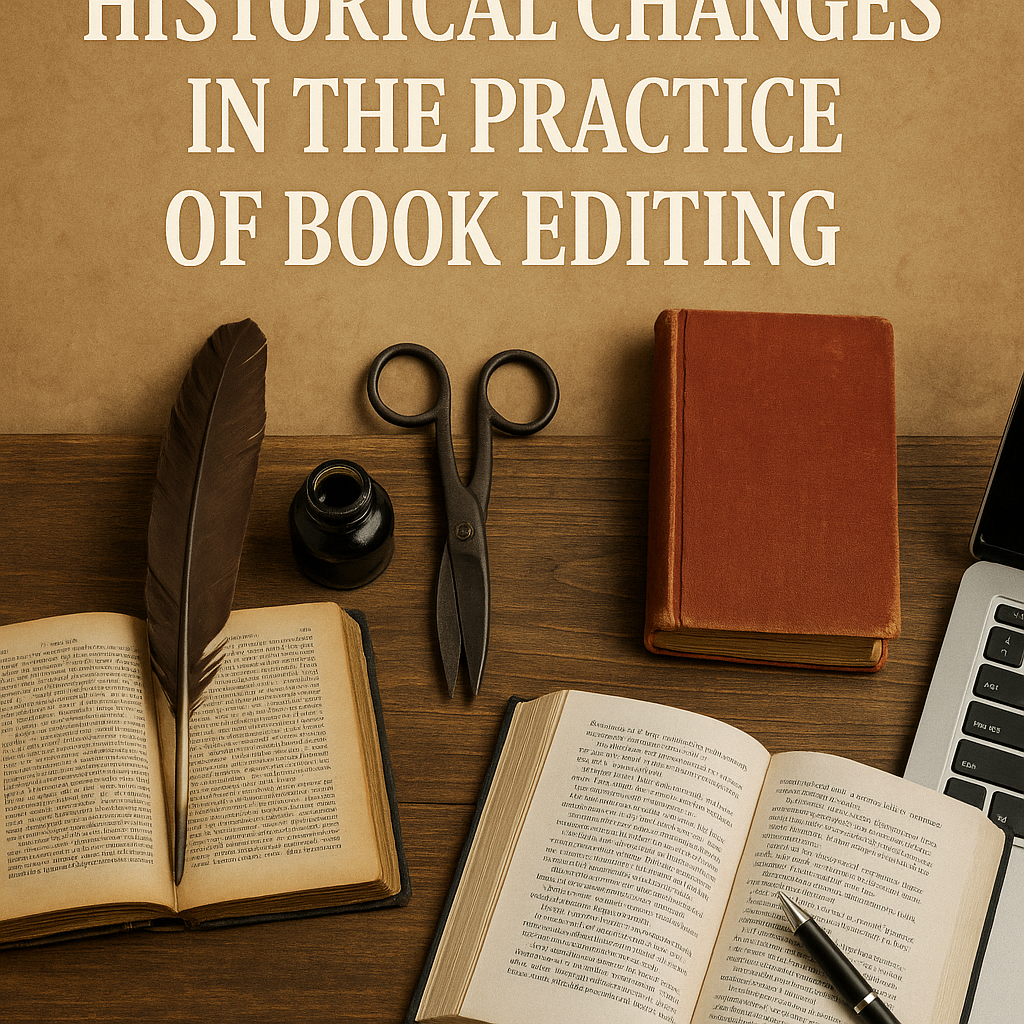
Historical Changes In The Practice Of Book Editing
Book editing has changed a lot over time. Initially, it focused on basic tasks. Editors corrected grammar and spelling. However, as publishing evolved, so did editing.
The Early Days of Editing
In the past, manuscripts were often handwritten. Scribes were the primary editors. They ensured texts were accurate. This was a slow and meticulous process. Many texts were religious or scholarly. Thus, the goal was precision.
After the invention of the printing press, editing began to shift. The press allowed for mass production. As a result, books became more widespread. Editors took on new roles. They not only corrected errors but also shaped content. This change led to more collaboration.
The Industrial Revolution
During the Industrial Revolution, publishing grew. Many new publishers emerged. Consequently, demand for editing increased. Now, more authors sought editors. Books needed to grab attention.
Editing became more strategic. Editors focused on structure. They worked on pacing and flow. This change was crucial for engaging readers. The market dictated what types of books sold.
Twentieth Century Developments
In the early 1900s, editing gained prestige. Many editors became known figures. They had a hand in shaping literature. Writers also learned to rely on them more. The relationship deepened, fostering trust.
Also, technology played its part. Typewriters appeared. This innovation made editing easier. Texts could be revised quickly. Thus, editors became more efficient.
The Role of Literary Agents
In the mid-twentieth century, literary agents gained importance. They began to act as gatekeepers. Authors relied on them to connect with publishers. Agents also suggested edits. This influenced how books were prepared for publication.
With this change, editing took on another layer. Collaboration now included agents, authors, and editors. This triangle of roles enhanced the editing process.
Digital Era and Self-Publishing
The rise of the internet transformed editing. Suddenly, many new voices emerged. Self-publishing became an option. Authors could bypass traditional paths. However, they often overlooked editing.
With this shift, the role of editors became more critical. Many authors needed guidance. They sought professional help to polish their work. Thus, freelance editing grew popular. Many websites, such as EditMojo, catered to this demand.
Editing Software
Additionally, new editing software appeared. Tools like Grammarly and ProWritingAid offered assistance. While these tools helped, they could not replace human intuition. Editors still played a vital role in understanding context.
Contemporary Practices
Today, editing is more collaborative. The process often starts with developmental editing. Editors now help shape manuscripts from the ground up. They work closely with authors to mold ideas.
After development, line editing follows. Here, editors focus on clarity and style. This stage is crucial. Sentences must convey the right message.
The Importance of Sensitivity Readers
Moreover, sensitivity readers emerged. They ensure content represents various voices. Their role is to address cultural nuances. Thus, they help avoid stereotypes.
Global Trends in Editing
Editing is not equal worldwide. Cultures differ in storytelling. For instance, some regions favor brevity. Others enjoy detailed narratives. Editors must adjust to these differences.
Global collaboration is now common. Editors work across borders. They bring diverse perspectives to projects. This enriches the editing process.
Ethics in Editing
Also, the ethical landscape has evolved. Editors ensure truthfulness and representation. This is crucial in today’s society. They must be aware of biases in content.
Furthermore, transparency has become a standard. Authors often expect clear communication. Editors must be open about their suggestions. This fosters trust between both parties.
The Future of Editing
Looking ahead, the editing field will continue evolving. As technology grows, so will the tools available. Artificial intelligence may assist editors. However, human insight will remain critical.
Moreover, new genres will emerge. Editors will need to adapt. Trends in reading habits shift rapidly. Thus, flexibility is key for editors moving forward.
Continuous Learning
Finally, editors must commit to learning. Workshops and courses will help refine skills. Staying updated is essential. The world of publishing does not stand still.
In conclusion, the practice of book editing has come a long way. From careful scribing to collaborative processes, changes have been significant. The evolution is ongoing.
For a deeper dive into editing practices, check out EditMojo for resources and insights.